A proposal to catalogue and describe terrestrial ecosystems around the globe using the Braun-Blanquet and EcoVeg/International Vegetation Classification approaches
Speakers: Wolfgang Willner and Don Faber-Langendoen 📅 25 March 2026 | 🎥 Recording of the seminar: link
Brief abstract: Two major approaches to classifying terrestrial ecosystems around the globe are the EcoVeg/International Vegetation Classification approach and the Braun-Blanquet approach. Together they could provide a catalyst for standardizing a systematic catalogue and description of terrestrial ecosystems, as well as supporting regional/continental mapping, assessments of at-risk ecosystems (such as the IUCN Red List of Ecosystems) and guiding protection efforts. Both approaches have recently recognized the need to incorporate functional vegetation traits into the classification process (alongside floristic, biogeographic, and environmental factors), including through global functional biome concepts. This change also helps align these classifications with the global functional biome-based concepts of the Global Ecosystem Typology (GET), thereby addressing a critical need for standardized mid-level units not available in GET. Here we first introduce the BB approach, focusing on a historical perspective that highlights how the current IVC Ecobiome and GET Ecosystem Functional Group meet a longstanding need in that approach. We then consider and compare how the BB and EcoVeg approaches (including recent conceptual improvements), could foster development of a catalogue and description of regional/continental terrestrial ecosystems.
 |  |
|---|---|
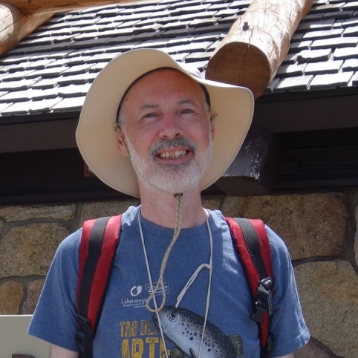
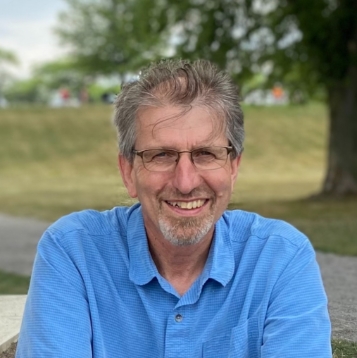
| Wolfgang Willner is a vegetation scientist interested in vegetation classification and the current and historical biogeographical factors shaping the species composition of plant communities, with a special focus on Eurasian steppes and temperate forests. He received his PhD at the University of Vienna (Austria) where he worked as a Researcher at the Department of Conservation Biology, Vegetation and Landscape Ecology. Since 2004, he is Managing Director of the private research institute “Vienna Institute for Nature Conservation & Analyses (VINCA)”. Since 2011, he is also Lecturer for Vegetation Ecology at the University of Vienna. | Don Faber-Langendoen is Senior Ecologist and Conservation Methods Coordinator for NatureServe. He works closely with the NatureServe Network and partners across North America to advance NatureServe’s mission of identifying, tracking, and helping protect at-risk species and exemplary ecosystems. He has fostered standard methods for classifying and mapping the diversity of ecosystems (through the International Vegetation Classification) and to assess their at-risk status and ecological integrity. He engages with federal, state, provincial and territory partners to promote stewardship of biodiversity. He is a Regional Editor of the Ecological Society of America’s USNVC Peer Review Board and co-chairs the CNVC Committee. He lives in Syracuse, New York. |