
From natural history to forest classification: biogeographic and evolutionary foundations of Mediterranean white oak forest
Speaker: Carlos Vila-Viçosa 📅 28 January 2026 | 🎥 Recording of the seminar: link
Brief abstract: The Mediterranean region, and particularly the Iberian Peninsula, represents an important centre of diversity, persistence and evolutionary complexity for western Palearctic white oaks (Quercus L., sect. Quercus). Understanding the origin, diversification and classification of these forests requires a holistic framework in which natural history, biogeography and environmental structure are treated as central components of evolutionary inference, rather than as ancillary descriptive elements.
In this webinar, I argue that robust taxonomic hypotheses must be grounded in detailed natural history knowledge and careful revision of historical collections. Extensive fieldwork, herbarium revision and critical evaluation of morphological and ecological variation provide the necessary baseline to delimit taxa and to recognize biologically meaningful entities within complex and often reticulate lineages. Building upon this solid taxonomic foundation, biogeographic analyses and ecological niche modelling allow the identification of the environmental variables that structure species distributions and reveal how these variables have operated through time.
By integrating present day distributions with palaeoclimatic reconstructions, biogeography enables inference on the historical environmental filters and vicariant processes that shaped Mediterranean oak distributions. These reconstructions provide insight into lineage persistence, range fragmentation and secondary contact zones, and generate testable hypotheses regarding species limits, subspecies differentiation and the evolutionary significance of intermediate or hybrid forms. Genomic data further support these inferences by clarifying phylogenetic structure within section Quercus and by placing taxonomic hypotheses within an explicit evolutionary framework.
This synthesis demonstrates that sound taxonomy, reinforced by biogeography and environmental modelling, is essential for understanding the evolution and classification of Mediterranean oak forests. More broadly, it highlights the relevance of this integrative approach for the sciences of vegetation, showing how environmental structure, historical processes and evolutionary lineages can be jointly interpreted. Although centred on Iberian white oaks, the framework presented here is broadly applicable across the Mediterranean Basin, offering a transferable model for studying and classifying forest diversity shaped by long term ecological and evolutionary processes.
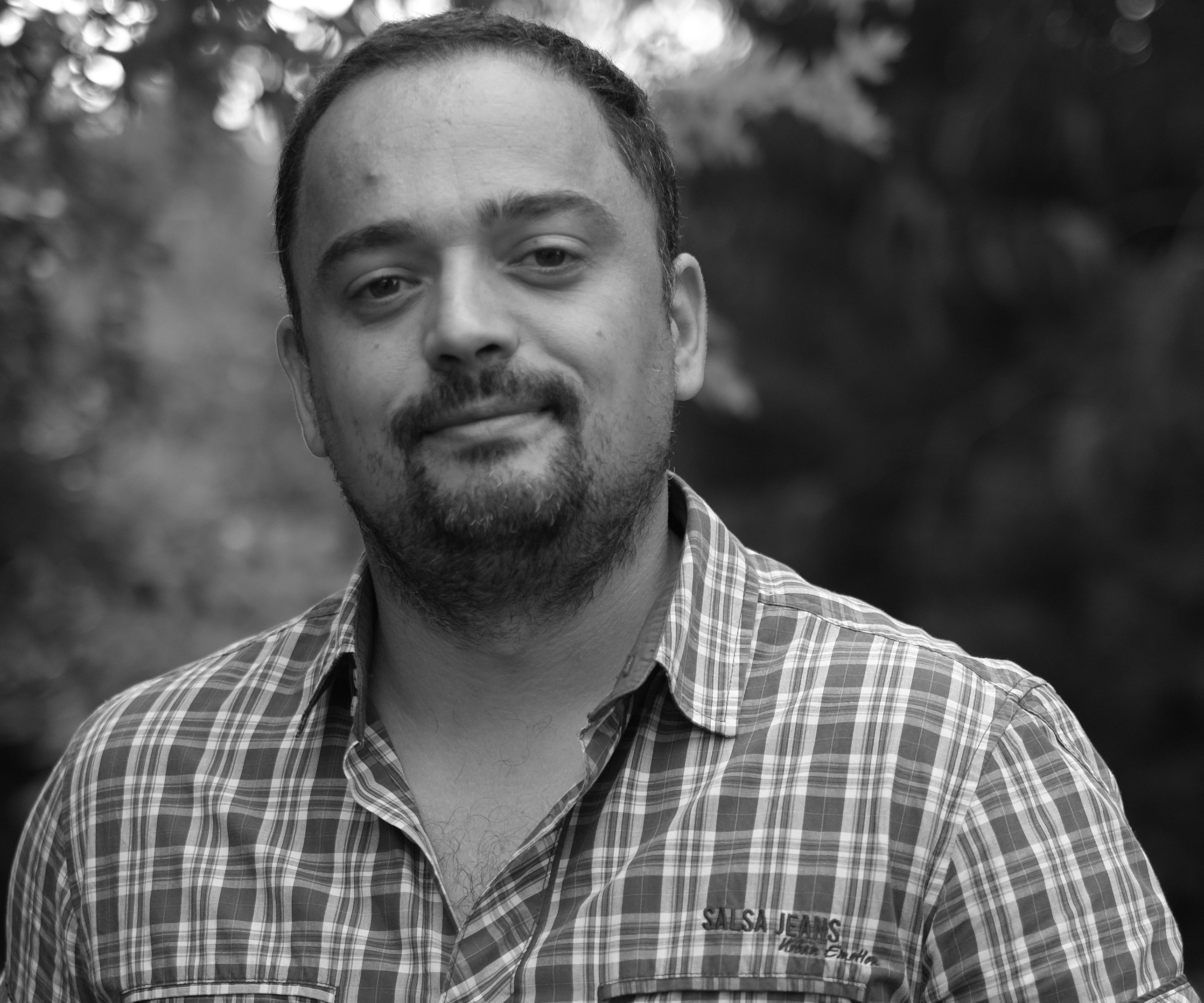
Carlos Vila Viçosa is an evolutionary geobotanist specializing in the natural history, biogeography and evolution of Mediterranean oaks. He holds a PhD in Biodiversity, Genetics and Evolution from the University of Porto, where his research integrated classical herbarium studies, ecological niche modelling and phylogenomics to address species delimitation and evolutionary processes in Iberian white oaks.
He is currently affiliated with BIOPOLIS CIBIO, University of Porto, and the Natural History and Science Museum of the University of Porto Herbarium PO. His work focuses on how environmental gradients, historical vicariance and hybridization shape forest diversity in the Mediterranean Basin, aiming to bridge traditional vegetation science and natural history with modern evolutionary and genomic approaches.